Photographer Ayodeji Faturoti on how a Navigator North studio bursary reshaped his practice with structure and intention.
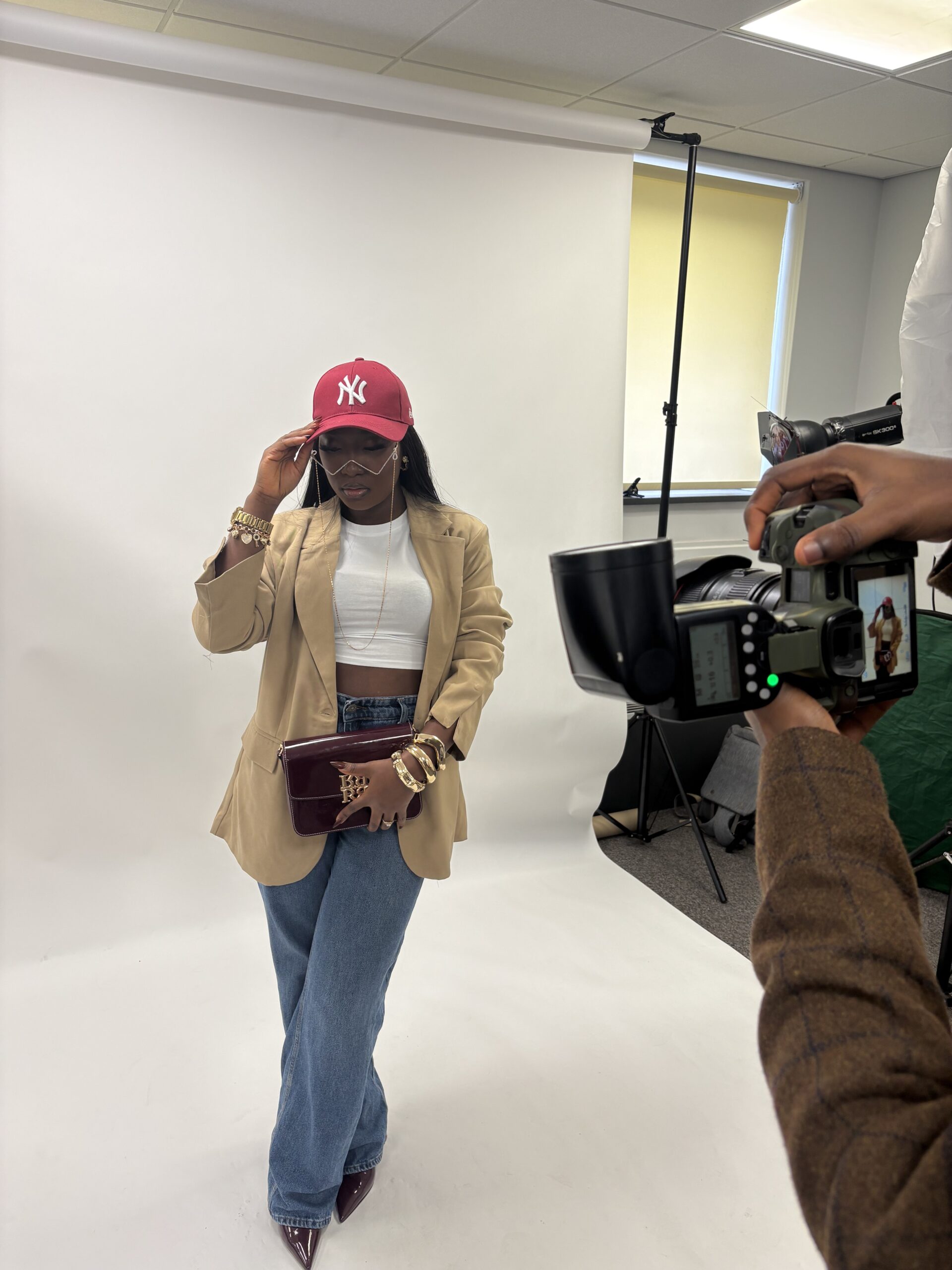
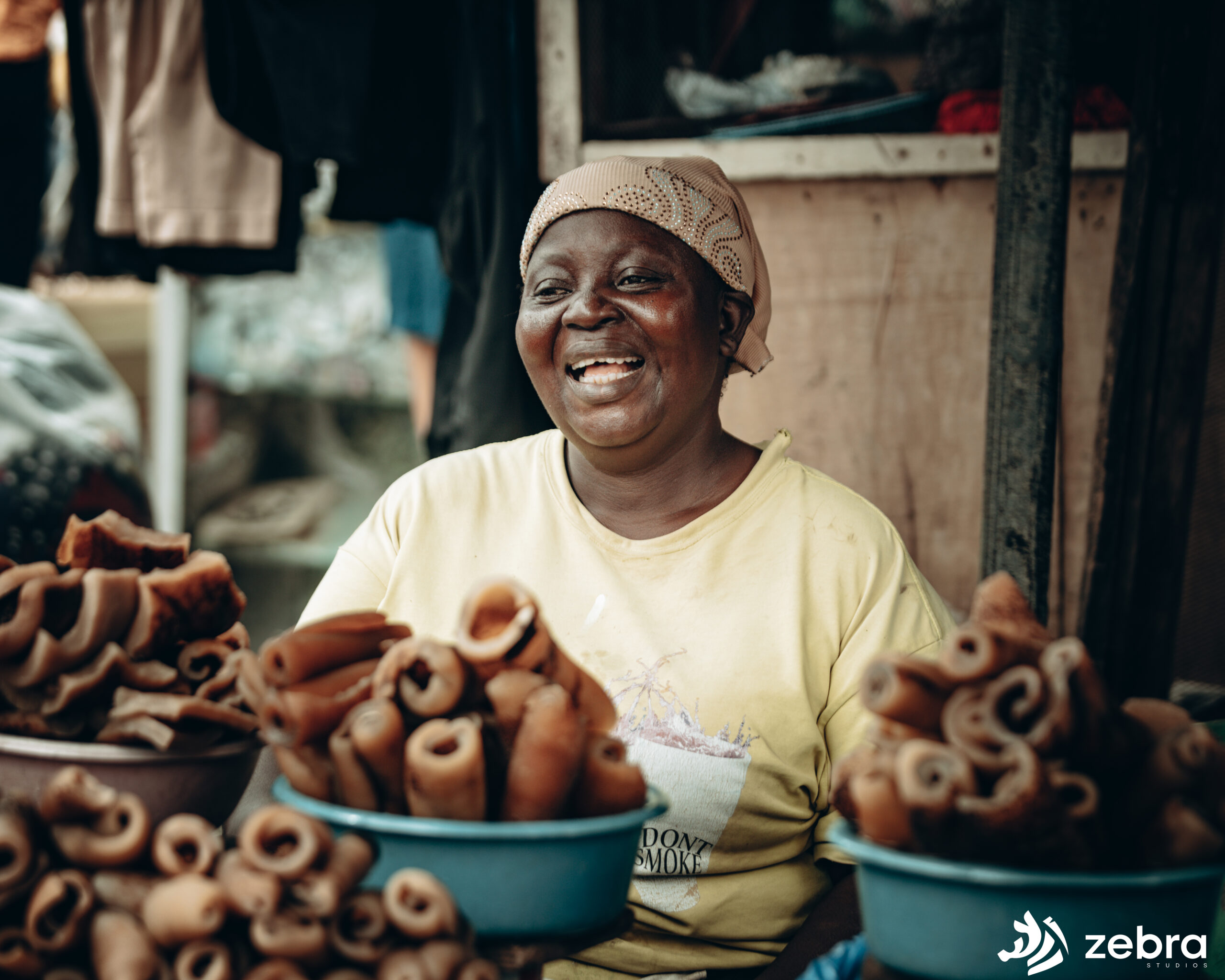
Photographer Ayodeji Faturoti, known as Deji, arrived in the UK from Nigeria less than a year ago with an already established practice. He works across commercial, corporate and fashion photography, and in Nigeria ran his own studio and independently organised photography workshops for young creatives in his community.
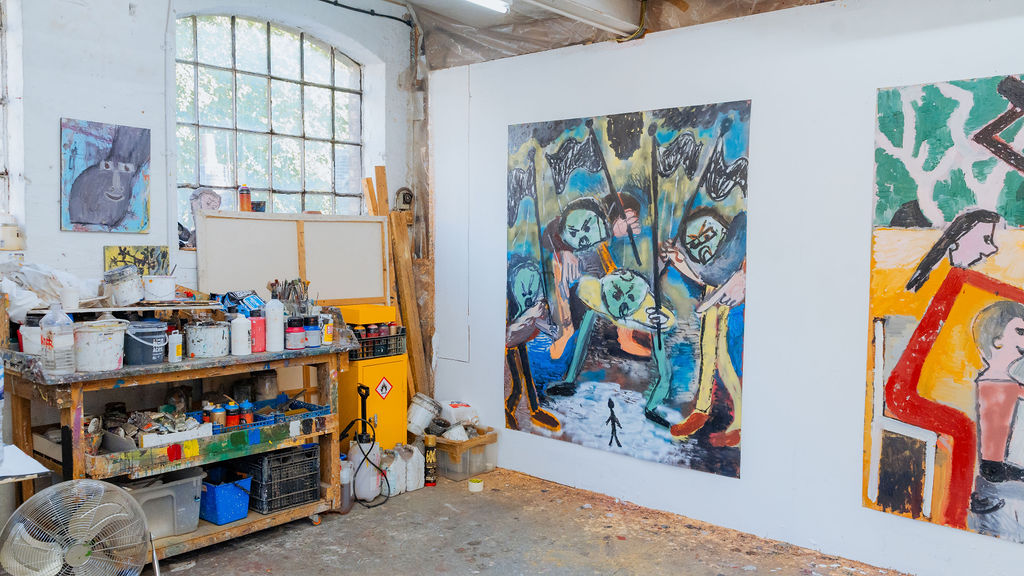
Now based in Middlesbrough, Deji is the 2026 studio bursary holder at Navigator North, an arts organisation based in Dundas House, an East Street Arts meanwhile space since 2011.
The space has not marked the beginning of his career, but a shift in how he is able to work. Before being able to access studio space, his practice in the UK felt inconsistent, something fitted around circumstance, rather than sustained through routine and momentum.
‘The studio has brought structure to my work because I’ve been able to create with intentionality,’ he says. ‘Without a studio, there’s no real drive towards creating.’
He describes the studio as a small office, somewhere he feels accountable to. A place to arrive at regularly, even on days when motivation is low. That sense of consistency has changed the way he approaches photography, turning it from something reactive into something long-term and committed.
For photographers in particular, access to dedicated space can fundamentally alter how work is made. Unlike many studio-based disciplines, photography often depends on hiring temporary spaces by the hour, with time becoming part of the cost and narrowing the room for experimentation.
‘When I have to rent someone else’s studio, I have to work with time,’ he explains. ‘There’s no space for creative risk. Now I can take creative risks. If I make a mistake, I have another time to do it again.’
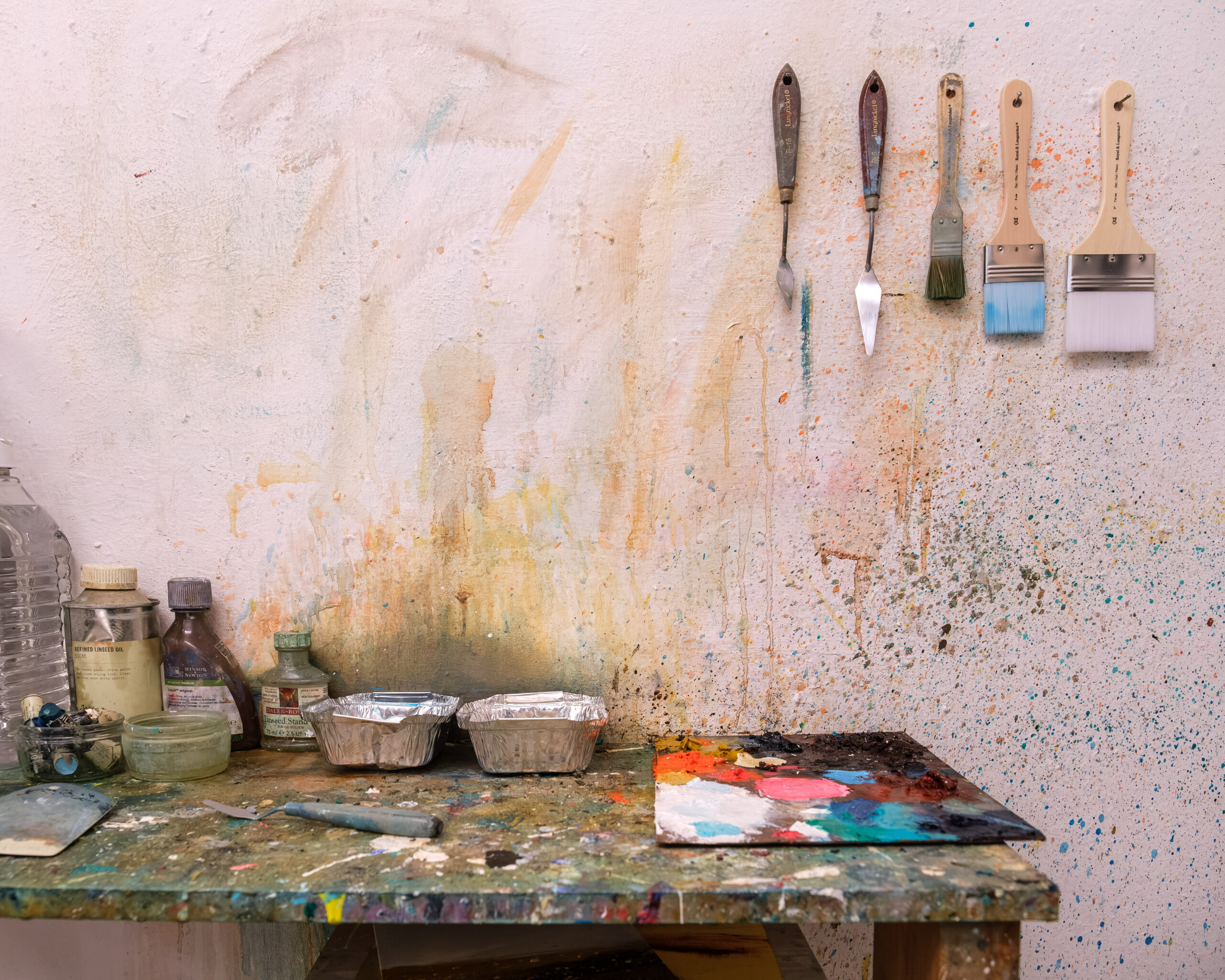
The bursary has also connected Deji with a wider network of artists working across different disciplines. Conversations with painters, illustrators and other makers have already started shaping new ideas and collaborations, including early discussions around hand-painted backdrops and collaborative portrait projects.
‘Being part of a creative community has really expanded my thinking,’ he says. ‘You can’t take away collaboration from creativity. Collaboration exposes you to different perspectives, different styles.’
Alongside the practical support of the space itself, mentorship has played an important role. Navigator North director Vicky Holbrough has become someone Deji turns to when ideas stall or confidence dips. One prompt in particular has stayed with him: go out into the street, speak to someone he had never met before, and invite them back to the studio to make something together. He did, and the experience reshaped how he thought about approaching people and developing ideas.
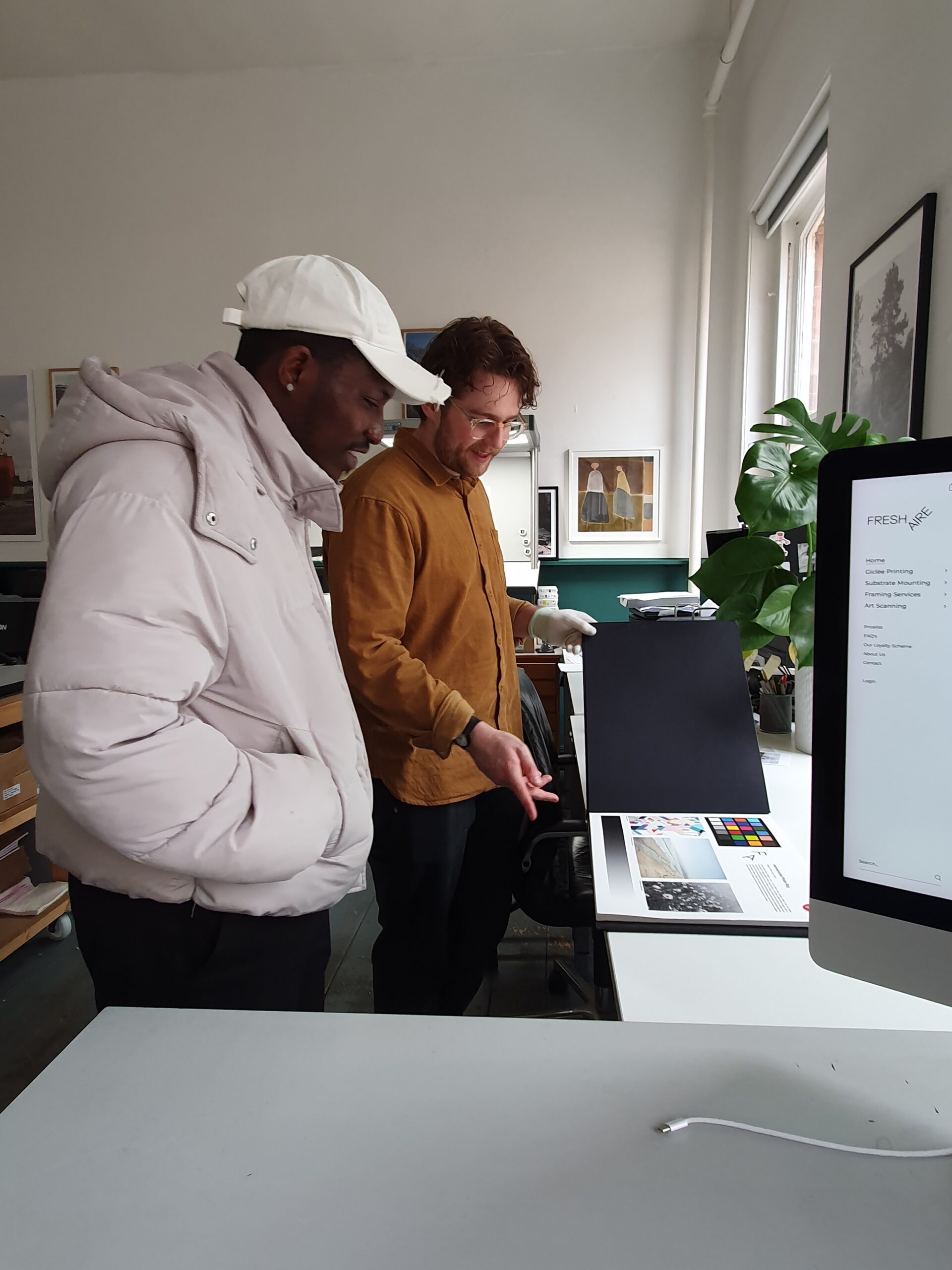
Earlier this year, Vicky organised a research trip to Leeds, introducing Deji to artists, facilities and organisations connected to photography and production across the city. The visit included time at East Street Arts’ Patrick Studios and Convention House, where he was shown around artist workspaces, fabrication facilities and creative production spaces, before visiting the print lab at Fresh Aire.
‘Meeting Alec made me realise that there’s a lot more to do as part of photography,’ Deji says of the visit to Fresh Aire. ‘He has a print lab, and he showed me how it works, what he does, what kinds of prints he makes for people.’
These kinds of exchanges sit at the centre of meanwhile space: creating the conditions for artists to encounter new ideas, people and ways of working that might otherwise remain inaccessible.
At the same time, Deji is clear about the challenges facing emerging photographers in the UK. Access to equipment, affordable studio hire and mentorship can be difficult, particularly outside major cities. In Nigeria, he describes photography communities where workshops and learning opportunities were often supported directly by studio owners or camera suppliers. Here, those opportunities can feel financially out of reach.
‘There are people that are really interested in learning photography,’ he says, ‘but when they see the cost, they give up.’
It is something he hopes to address himself, with ambitions to run free photography workshops once he is more established in the UK.
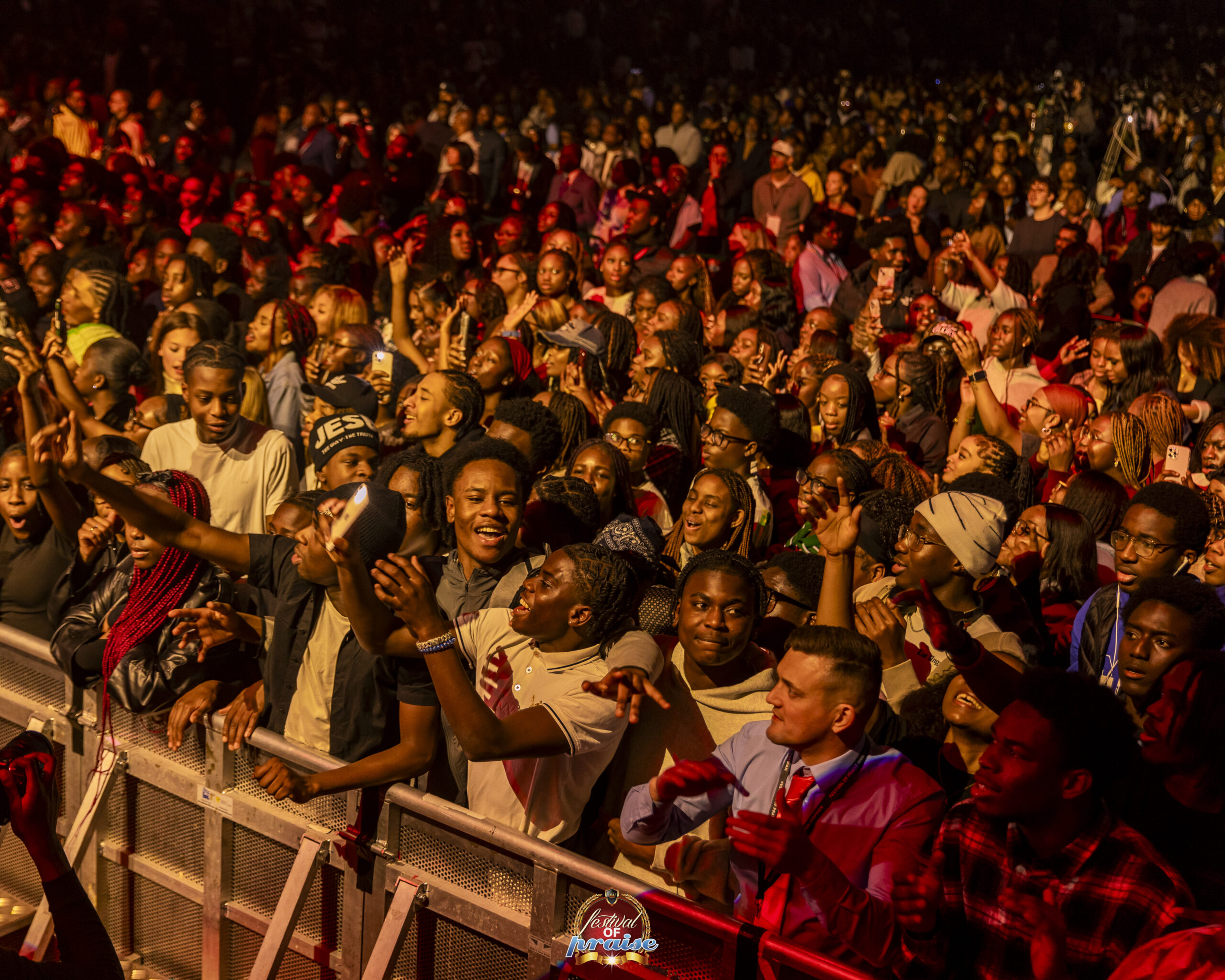
Despite those barriers, his practice has continued to grow quickly. Since starting the bursary, he has been nominated for a photography award, completed a collaborative portraiture project exploring race and identity, and begun building relationships with artists and organisations in Leeds and London.
‘It feels more intentional and long-term, rather than something I just do around.’
That shift from occasional making to sustained creative practice is often what access to space enables. Not simply somewhere to work, but somewhere to develop confidence, routine, collaboration and creative risk over time.
Deji is Navigator North’s 2026 studio bursary holder at Dundas House, one of East Street Arts’ meanwhile spaces supporting artists at critical stages of their development.
Find more of Deji’s work: @ayodeji_faturoti
Find out more about Navigator North: navigatornorth.co.uk
Find out more about Meanwhile Space: eaststreetarts.org.uk/studios-spaces/temporary-studios