Catherine Jablonski is a photographer and moving image artist whose work explores stories rooted in rural landscapes.
Working mainly with 16mm film and medium format photography, she delves into ancient histories, folk tales, archaeology, and ghost stories. Lately, she’s been exploring zine and bookmaking.
How would you describe your practice, and what have you been working on in the Riso room?
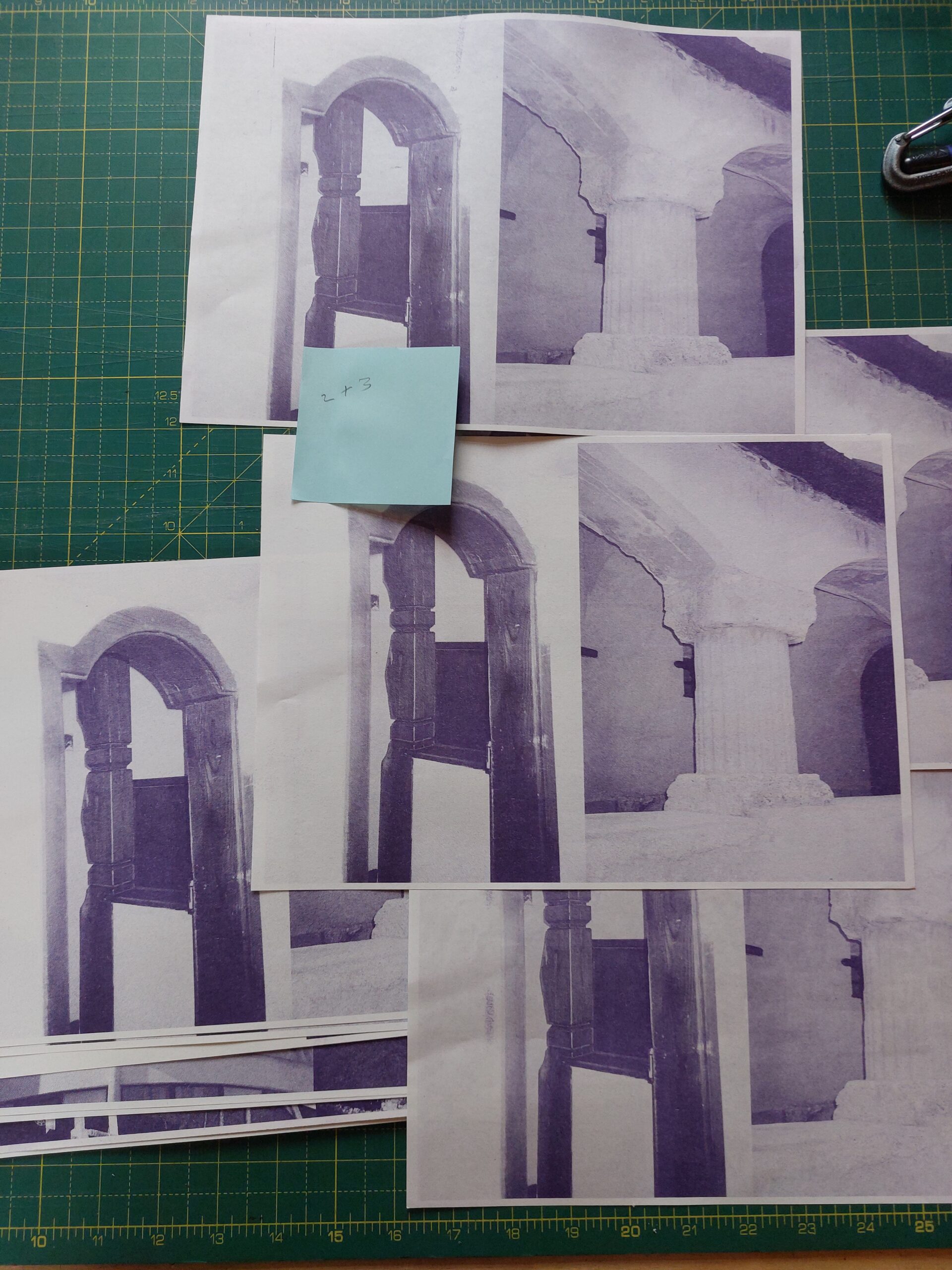
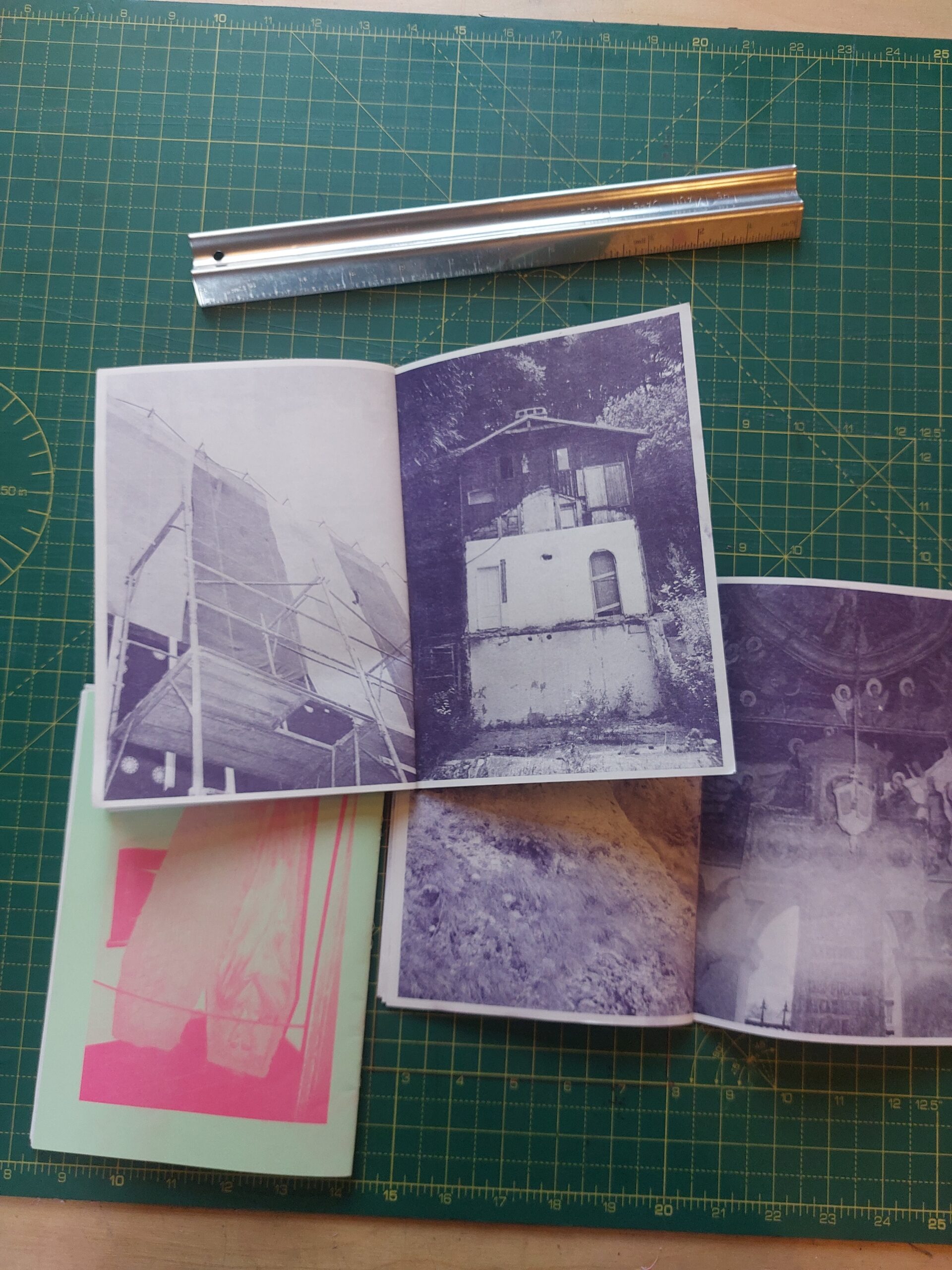
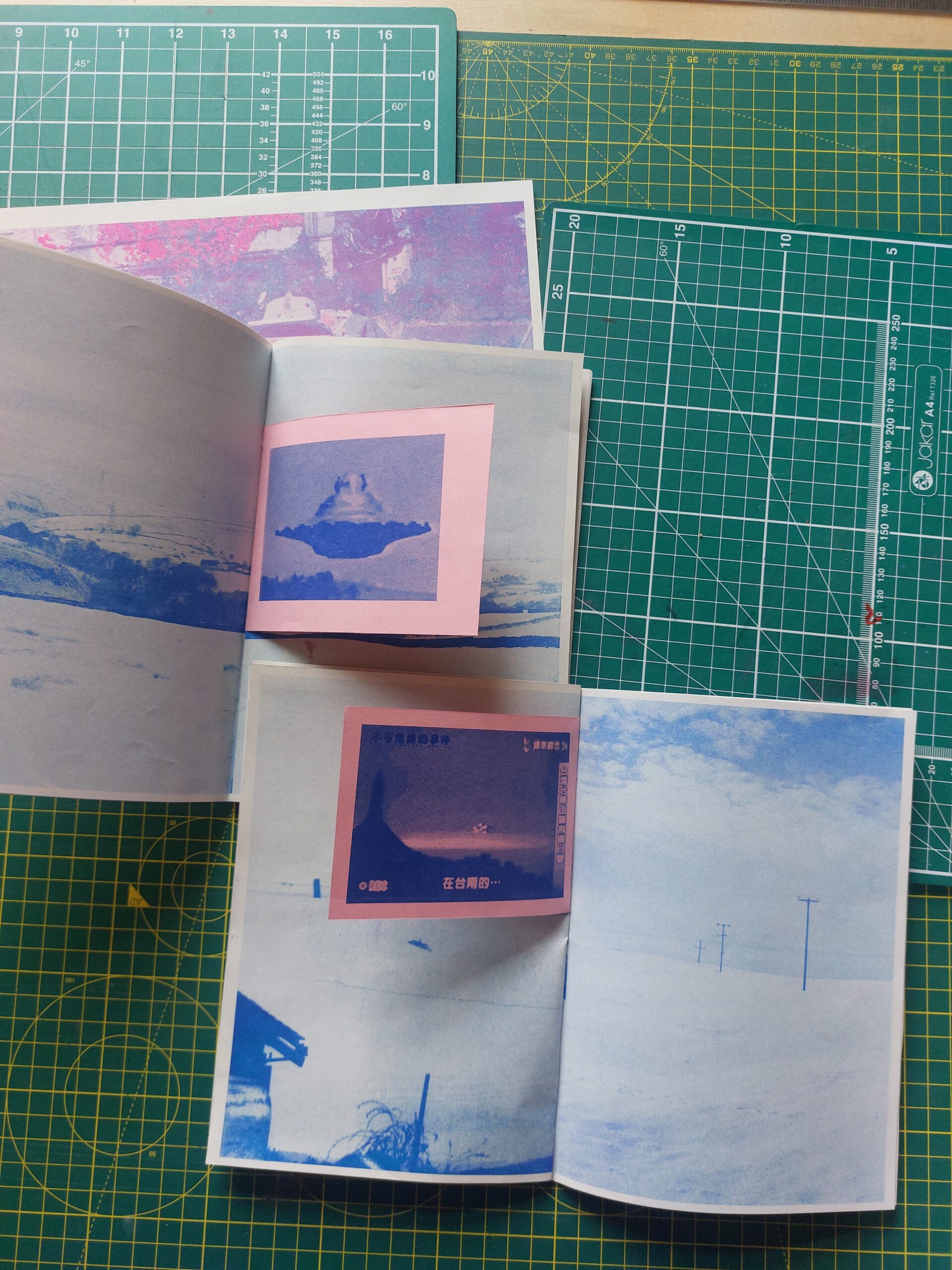
I’m a photographer and filmmaker interested in stories hidden within the landscape. In my work, I’ve explored themes such as haunting, geology, and folklore. During the residency, I worked on a project of photos taken in Transylvania as well as work made about the Todmorden UFO. A big focus was learning how to make zines, which is something i havent done much of. I also experimented a bit with animation, which I really enjoyed.
Describe Riso Printing in three words
Frustrating, unpredictable, playful
Which part of the creative process in Riso printing inspires you the most?
I like how Riso works best when things aren’t perfect. Working with layers has also been fun to experiment with, which you don’t really do in photography or darkroom printing. It’s great seeing something come together one layer at a time.
If you could only use two colours, what would they be and why?
Orange and blue. The bright orange colour just really pops on the page. The dark blue reminds me loads of cyanotypes, which I think is a style that goes really nicely with my work.
Has your time in the risograph room changed how you work or think?
I think working with Riso has been really refreshing, as it’s not perfect, and it’s all about embracing the happy accidents, so it’s definitely made me see things that go wrong in a different light.
What piece of advice would you give to someone who wants to start using Riso?
It’s important to go in with an open mind; things won’t always work or be perfect, but that’s part of what makes it interesting. It’s sometimes very frustrating, but it’s just as rewarding.
Find Catherine: