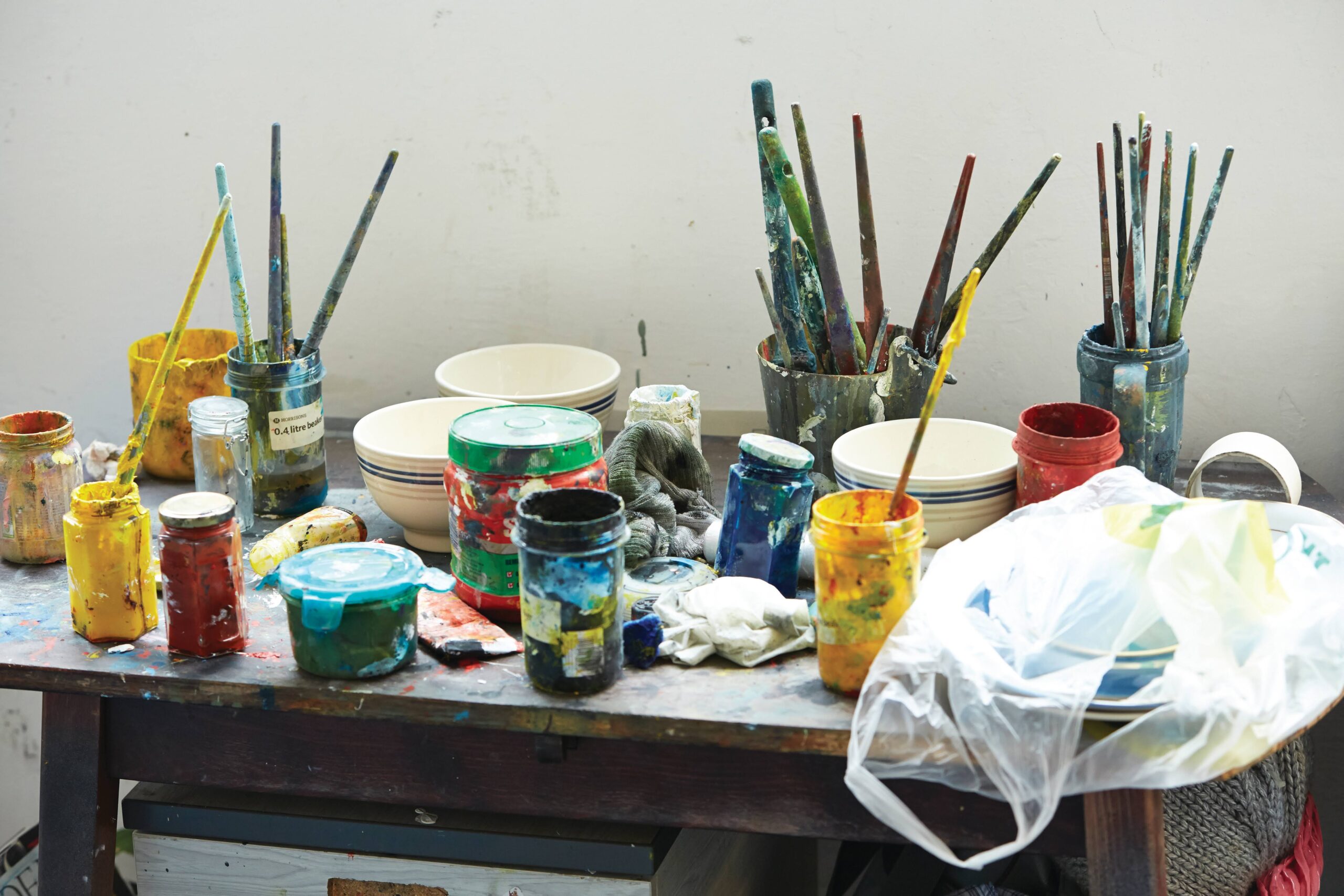
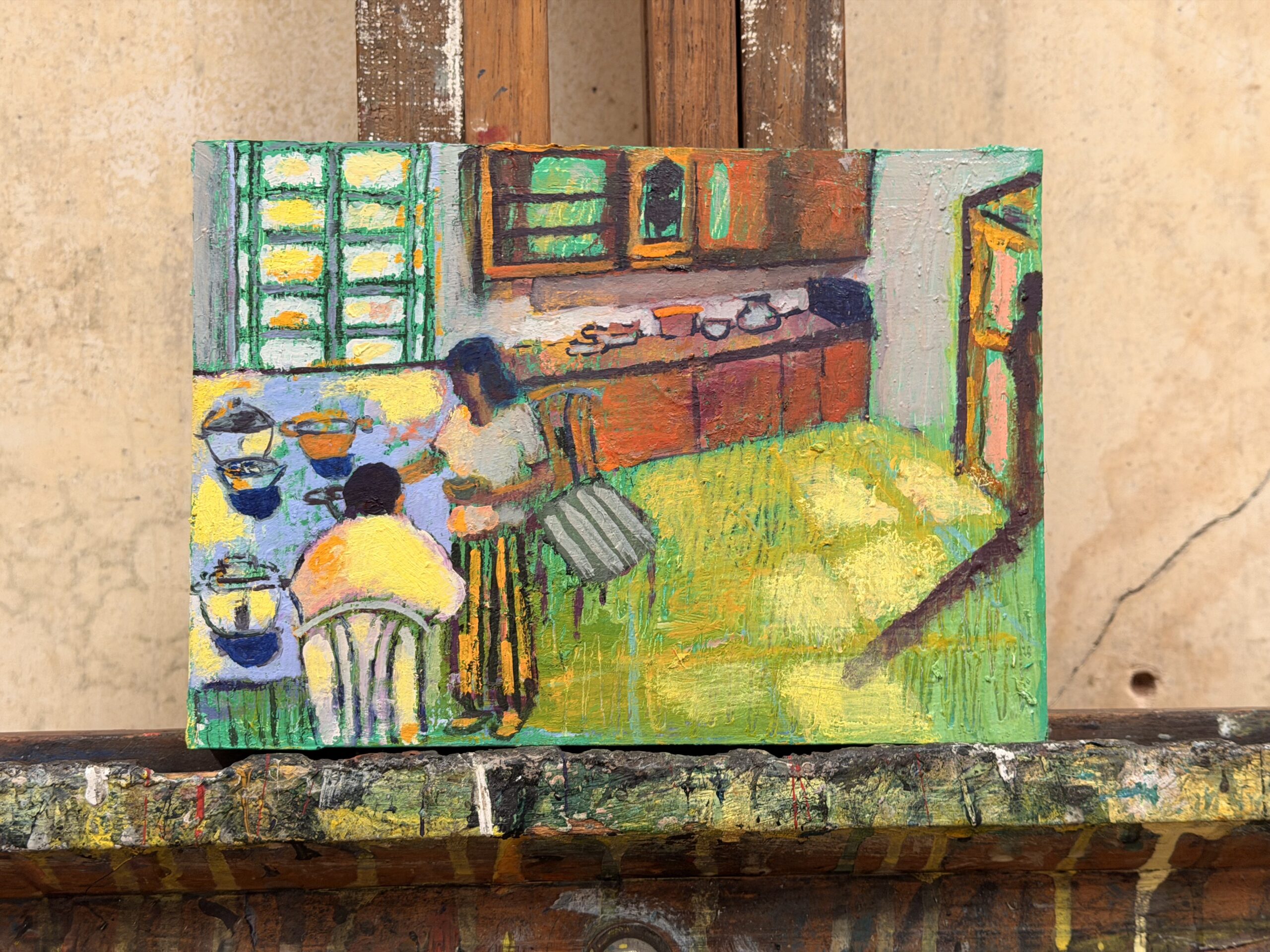
Following on from their MADE IT residencies, we’ve been catching up with the artists about their practice. Next, we're talking to Ellie Blundell.
Earlier this year, multidisciplinary artist Ellie Blundell joined us at Convention House for a two-week residency, spending time exploring Leeds and developing new work in ceramics. Working across drawing, sculpture, and craft, Ellie’s practice celebrates colour, play, and queerness, using abstraction and material transformation as tools for joy and resistance.
‘My practice begins where language frays, where unruly colour seeps into the cracks left by fallen words,’ they explain. ‘From here emerges a joyful explosion of colourful queerness, laughing in the face of adversity.’
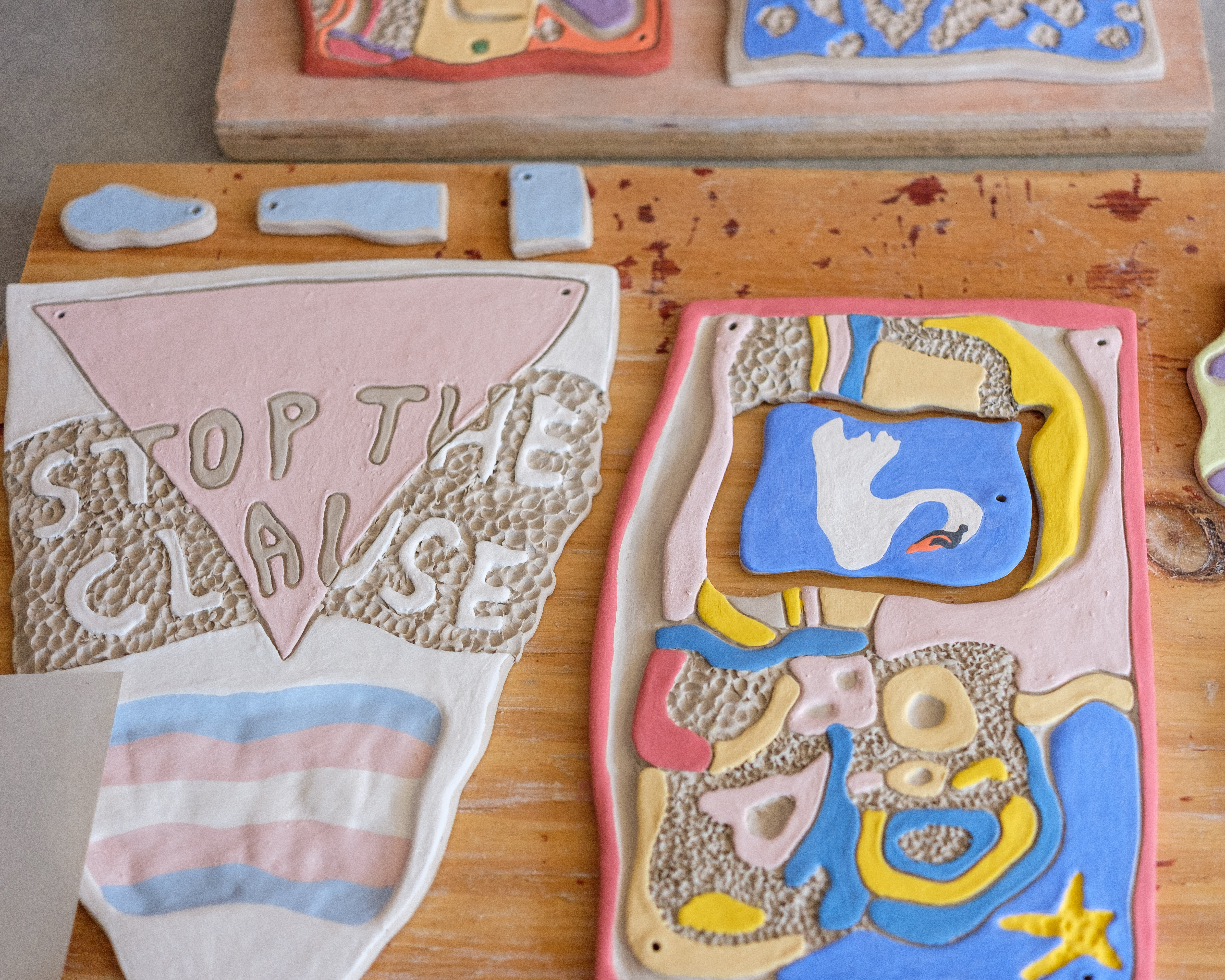
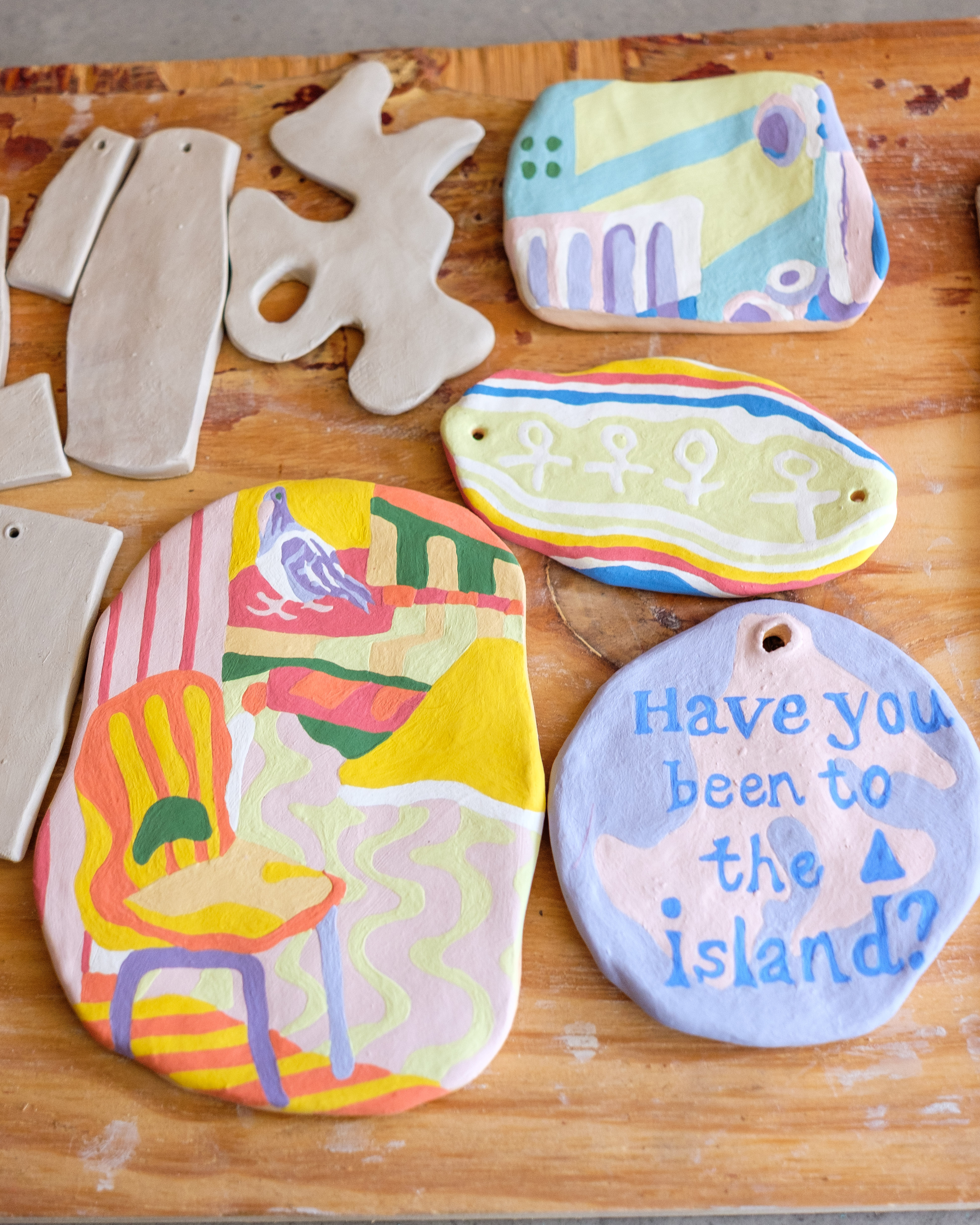
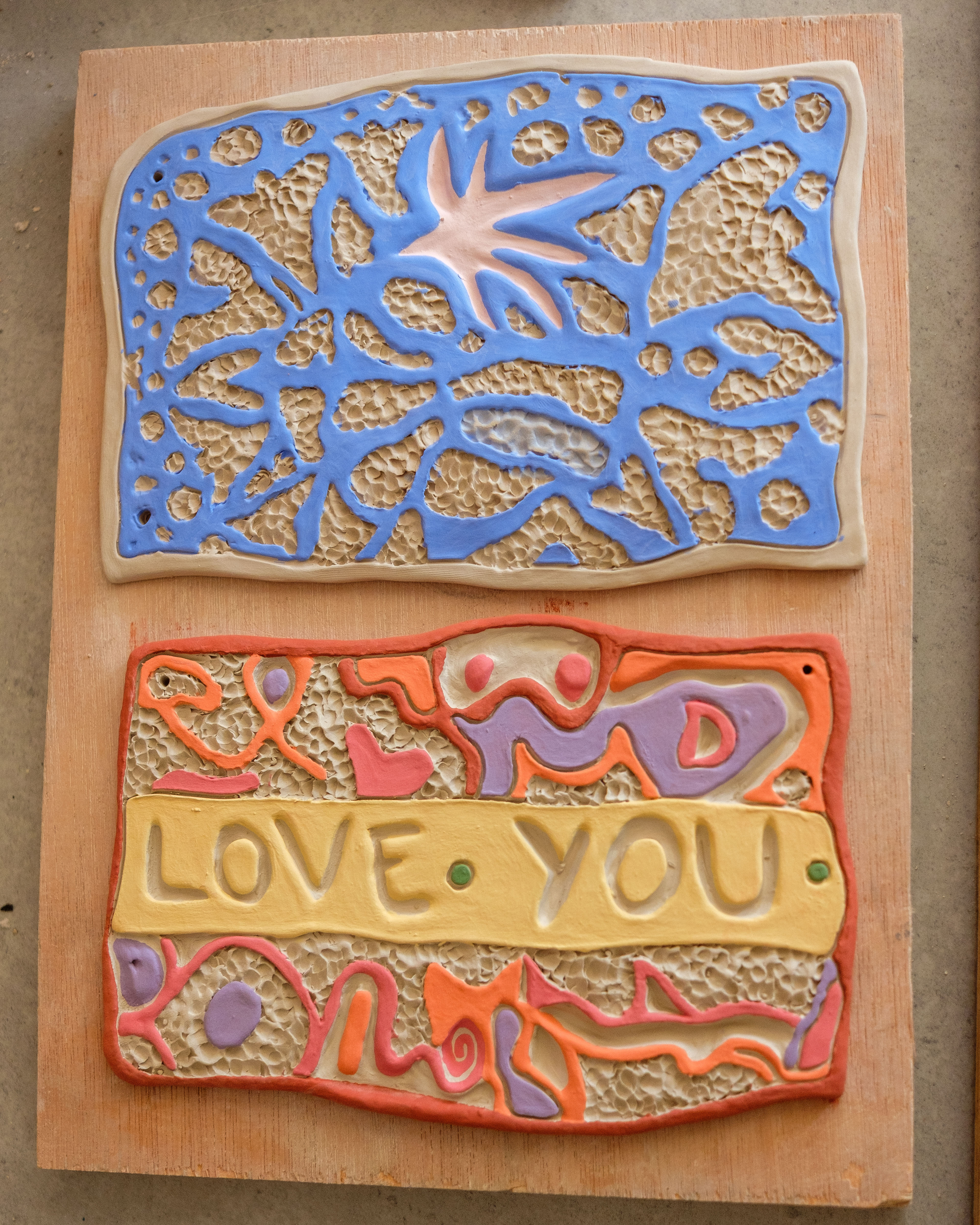
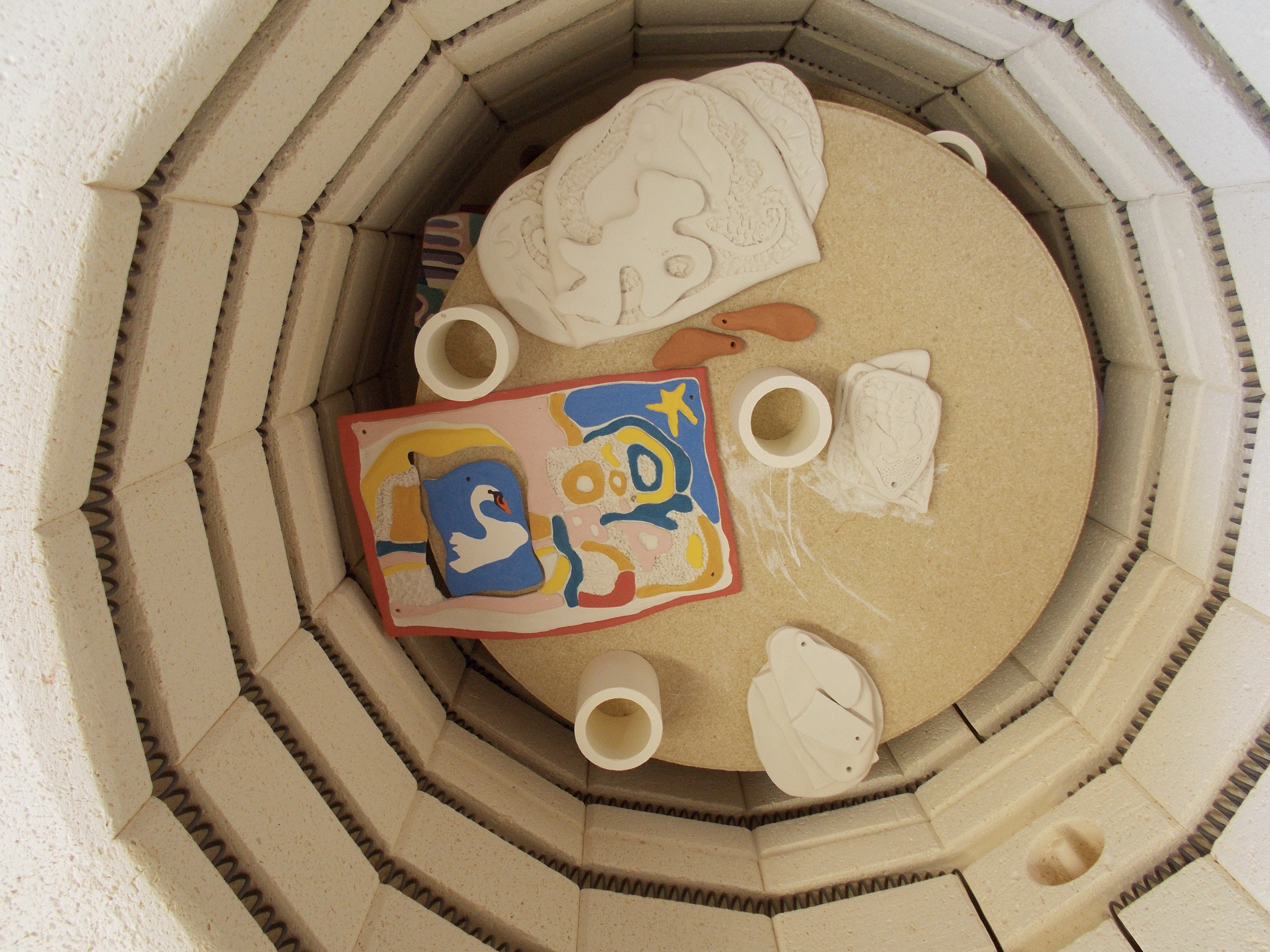
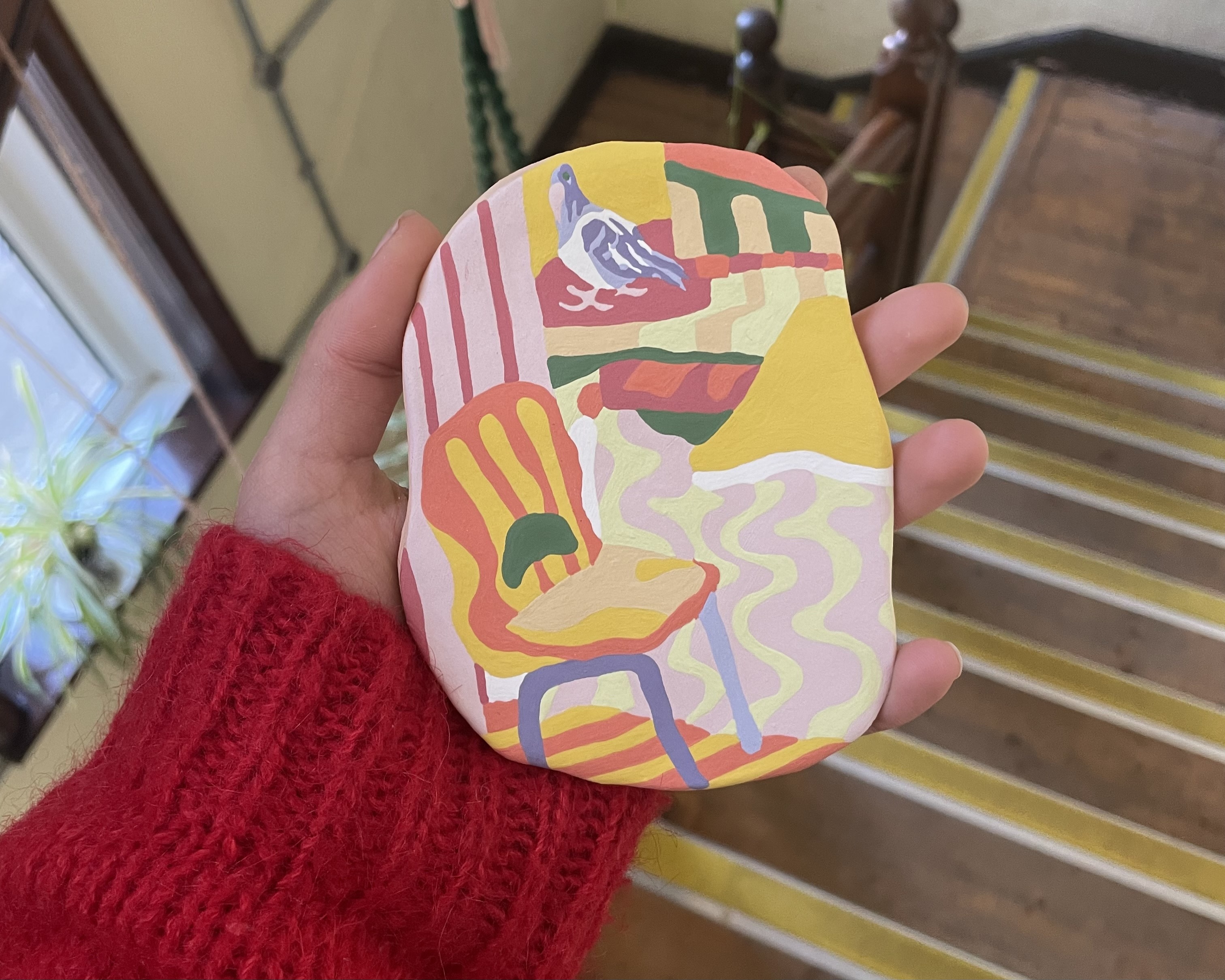
For Ellie, colour and play are central: both as form and philosophy. Drawing is often the starting point, a daily act of noticing that grounds them in the world. ‘I draw freely with crayons, exploring shapes and colours,’ they say. ‘It’s a way to find joy, relief, and presence, especially having lived with intense anxiety due to the sensory experience of being autistic.’
From these sketches, ideas evolve into ceramics or objects that act as ‘shrines to joy’, collecting and immortalising fleeting moments. Since leaving formal education, Ellie has embraced a more fluid, interconnected way of working. ‘Being outside of structured education has allowed me to explore every idea as it arises, without forcing it to fit a single box or deadline.’
During the residency, Ellie spent their days wandering Leeds, drawing inspiration from its hidden corners and local histories. They describe the experience as a kind of urban treasure hunt, collecting details, stories, and oddities along the way.
‘I stayed in Convention House, a former nunnery, which had me thinking about devotion and queer ritual,’ they recall. ‘Leeds history podcasts guided me through museums, cathedrals, bear pits, and galleries. All places of intrigue and imagination.’
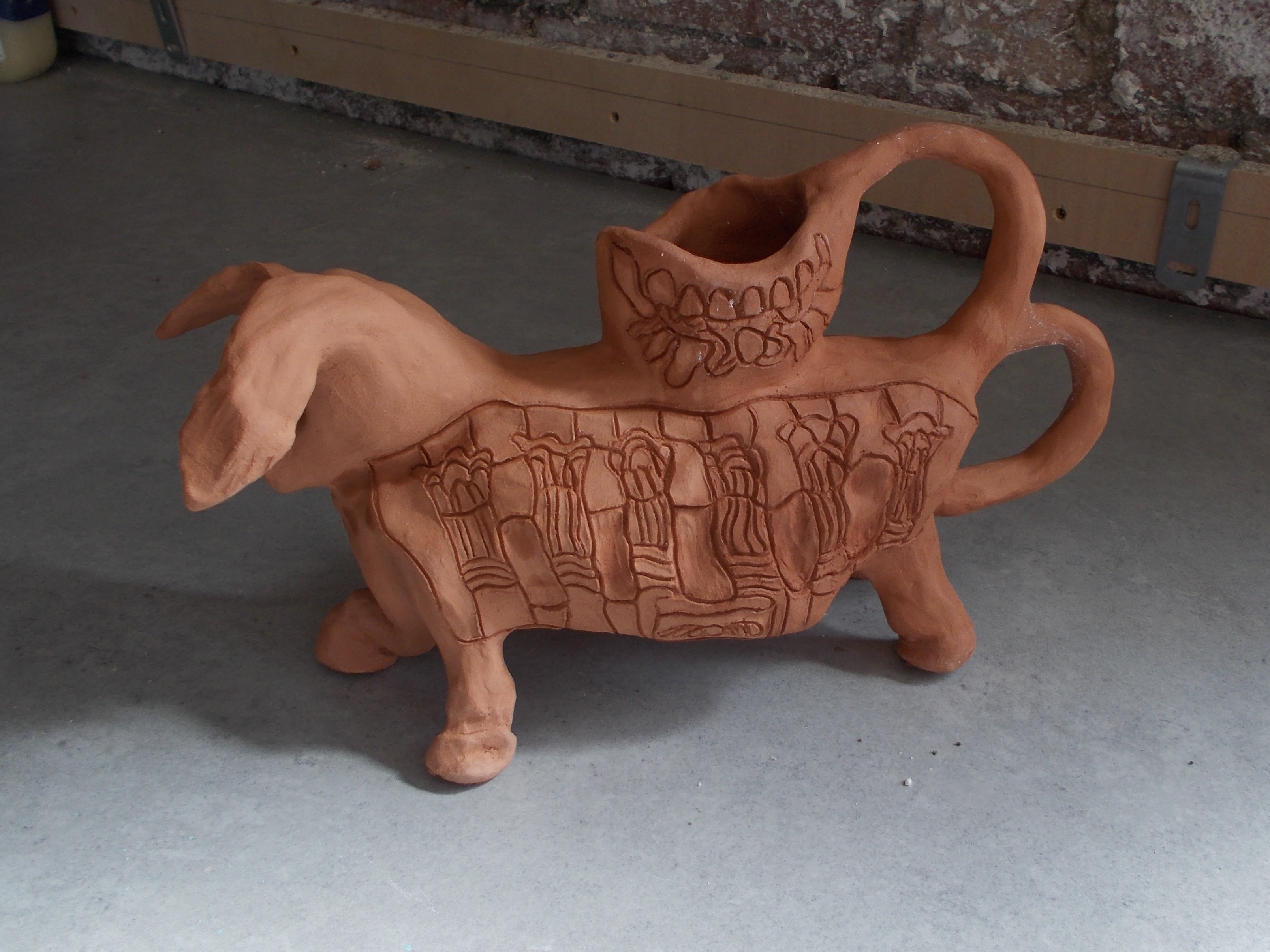
At Leeds City Museum, a display of queer badges and protest banners sparked new ideas. A visit to Temple Works – the Egyptian Revival mill where sheep once grazed on the roof inspired a playful ‘Temple Works sheep pot.’ ‘Because why the hell not?’ Ellie laughs.
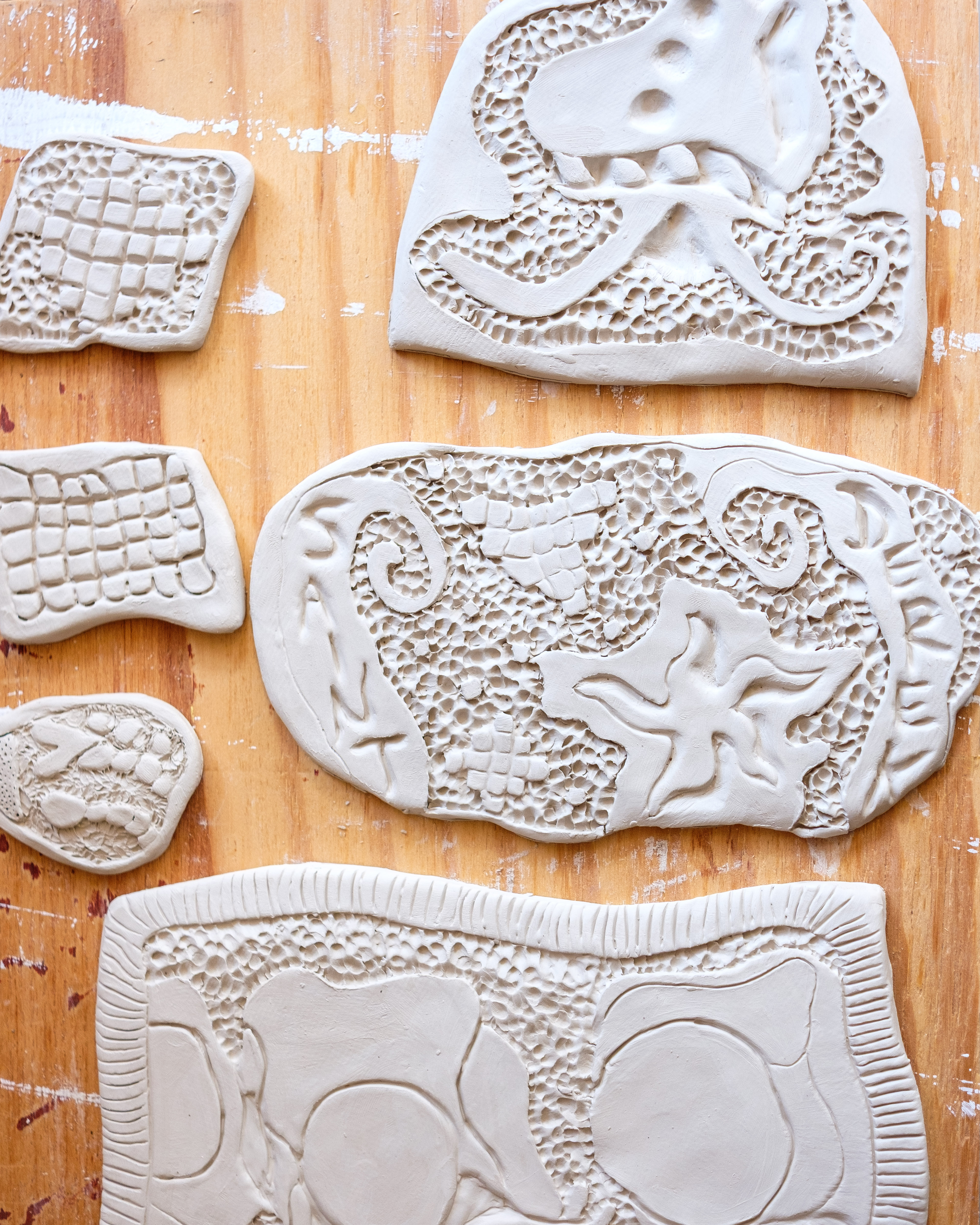
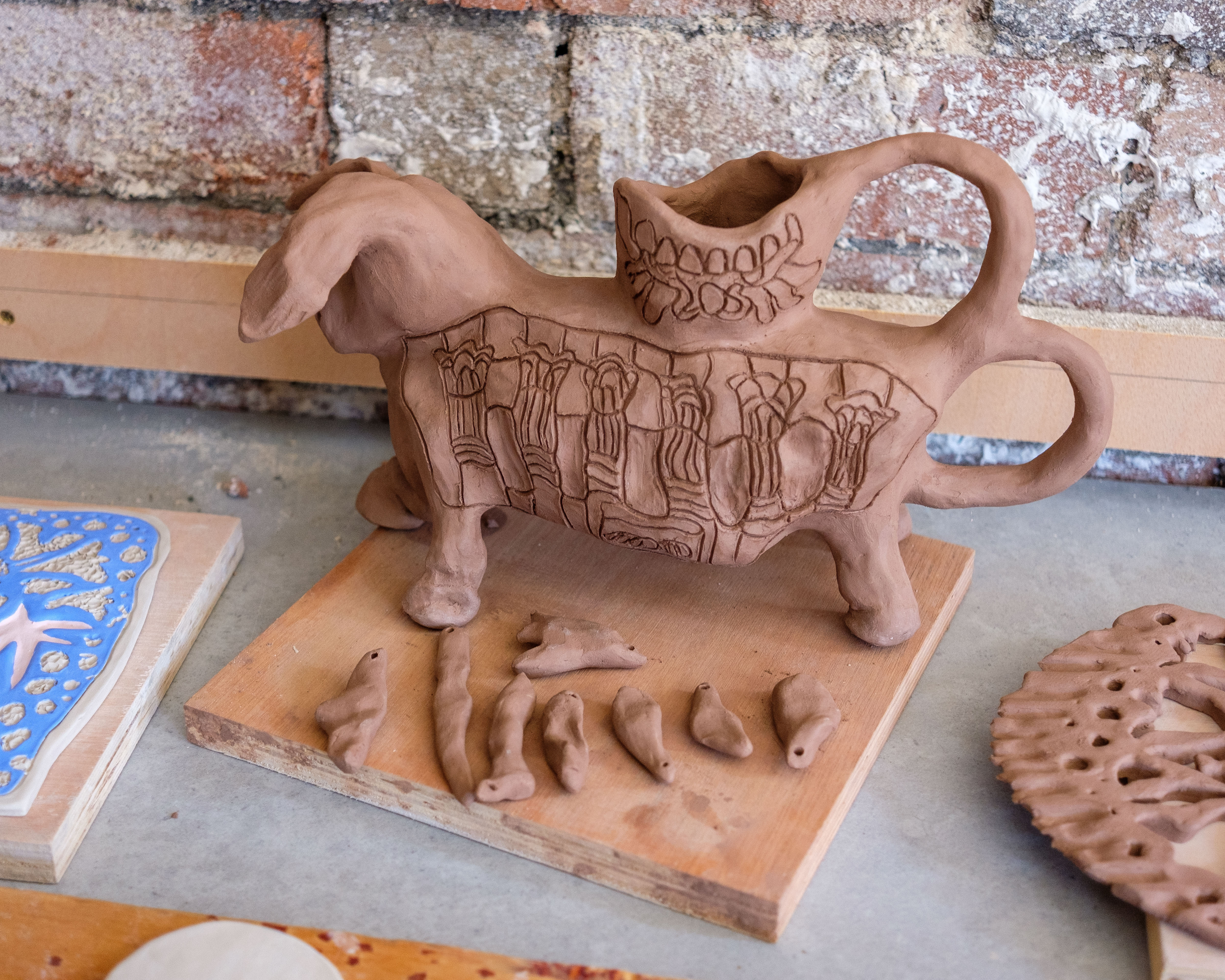
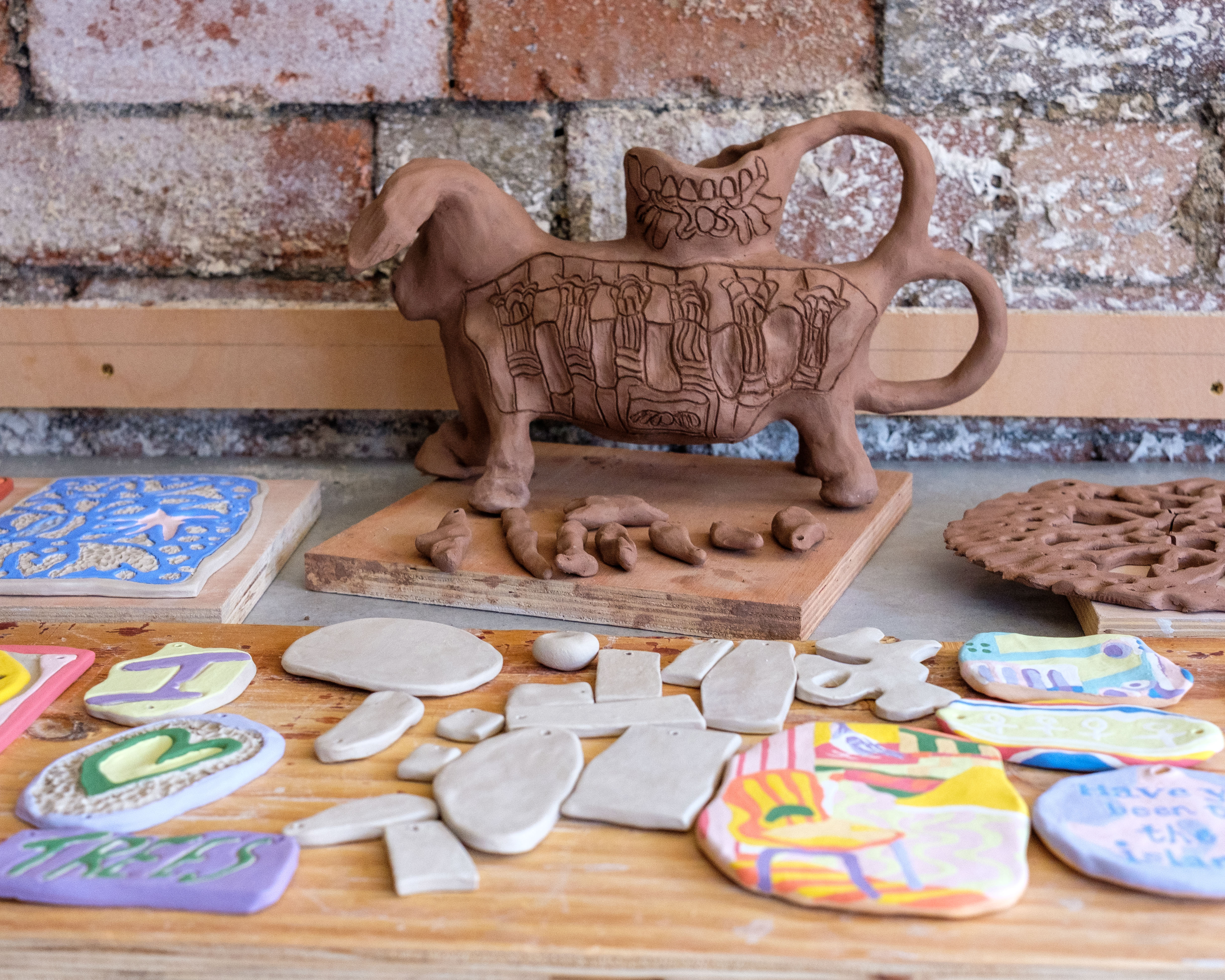
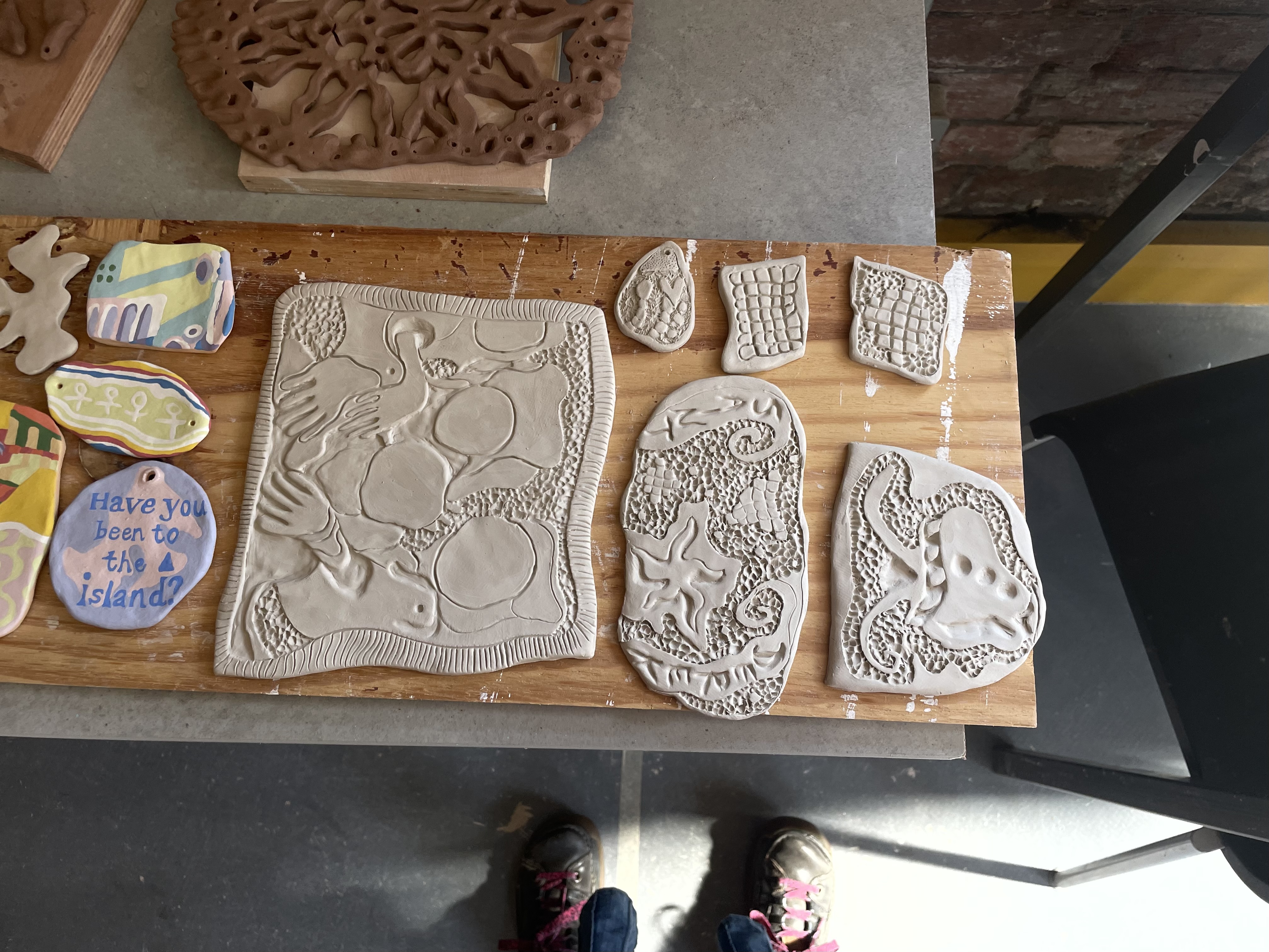
Evenings were spent translating these sketches into clay, underglazing tiles and bisque pieces, and letting each day’s wanderings filter through their hands. ‘By the end, I’d collected not just objects and drawings, but a sense of Leeds itself—alive with colour and curiosity.’
Reflecting on the experience, Ellie valued both the independence and the challenge of solitude. ‘I appreciated the freedom, but it could be lonely at times,’ they say. ‘I think I’d have benefited from a few more introductions or informal check-ins. The second week was lovely, though, when Sofia [Geraci] joined – we shared coffee spots and exhibitions before diving back into making.’
Since the residency, Ellie’s practice has become more adaptable and open-ended, shaped by the realities of working from home and at a community clay studio in Manchester. ‘Ceramics is a slow process, and space is limited,’ they explain. ‘That’s pushed me towards smaller, more portable forms. Pieces that can grow in number rather than size.’
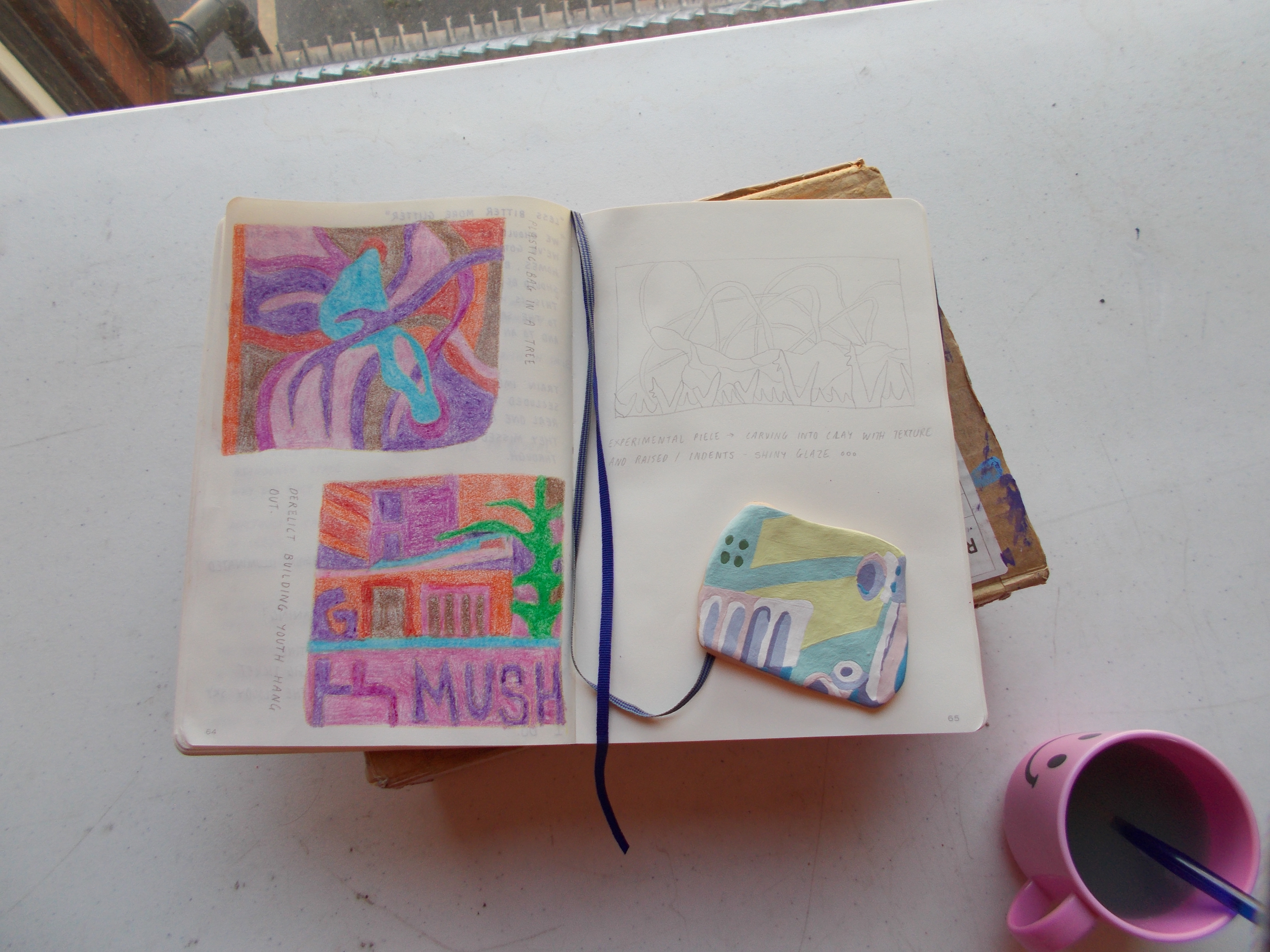
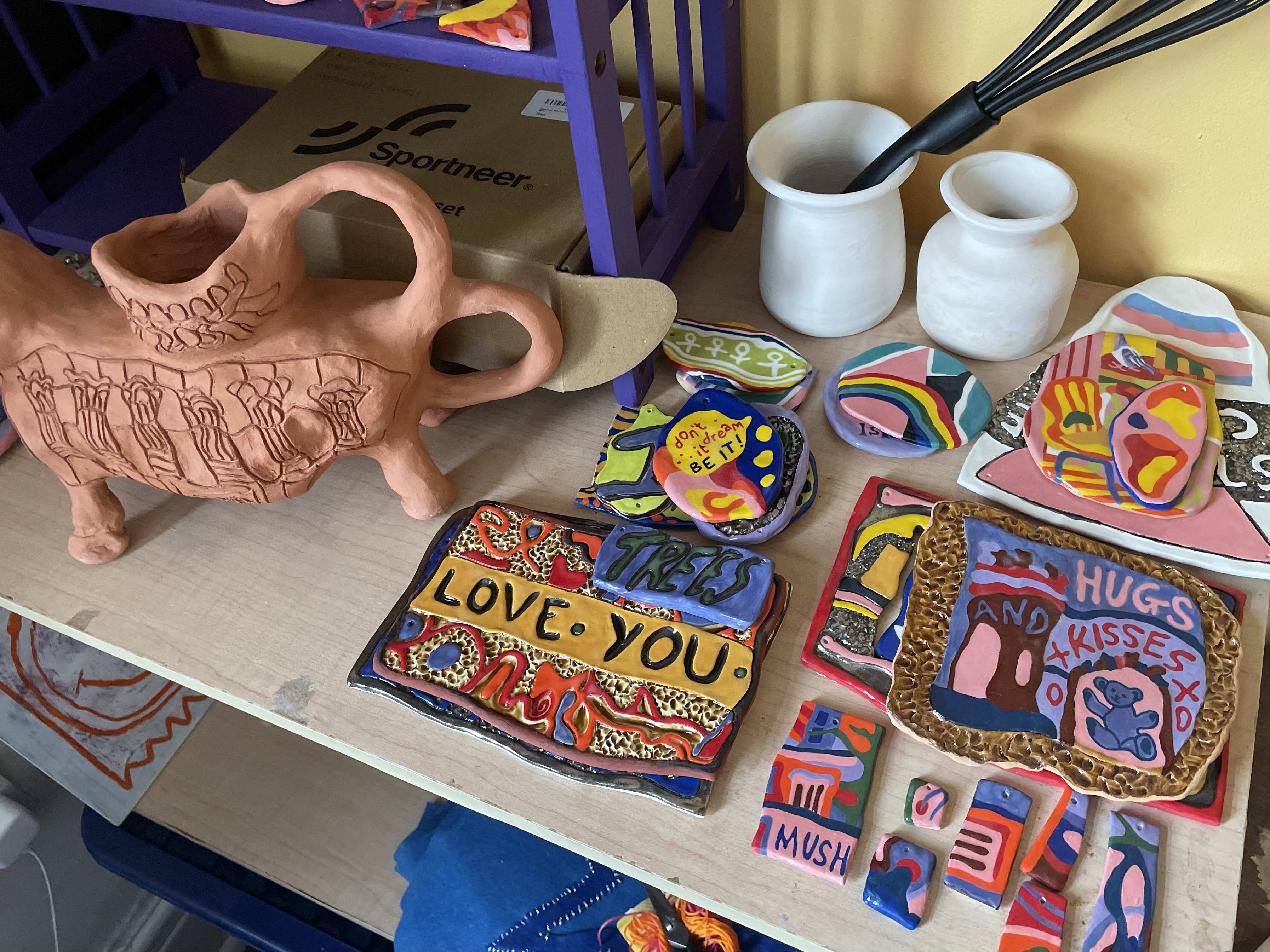
Looking ahead, Ellie is developing ceramic jewellery for future makers’ markets while seeking opportunities in museum or gallery spaces where they can keep learning and surround themselves with art. They’re also taking part in a neuro-affirming, values-led leadership programme to explore socially engaged and community-rooted projects.
‘I’d love to create projects and workshops that reframe creativity as a tool for mental well-being,’ they say. ‘Something that leaves lasting legacies of collective care and imagination.’
And, of course, they’d love the chance to return to Leeds, with their glazed, sparkly creations in hand.
Find Ellie: @ell.ebee
MADE IT is organised by Short Supply and funded by Arts Council England. The 2024 MADE IT was organised in partnership with DMZ Studio.